Ukraine shoots down bizarre Russian 'ring' drone — after working out it wasn't a UFO
Ukrainian operators shoot down Russian drone with an unusual circular wing The KVS uses a ring-shaped wing surrounding its central fuselage The intercepted KVS uses a 10-inch frame for combat missions Ukrainian forces have destroyed an unusually shaped Russian attack drone whose circular wing initia
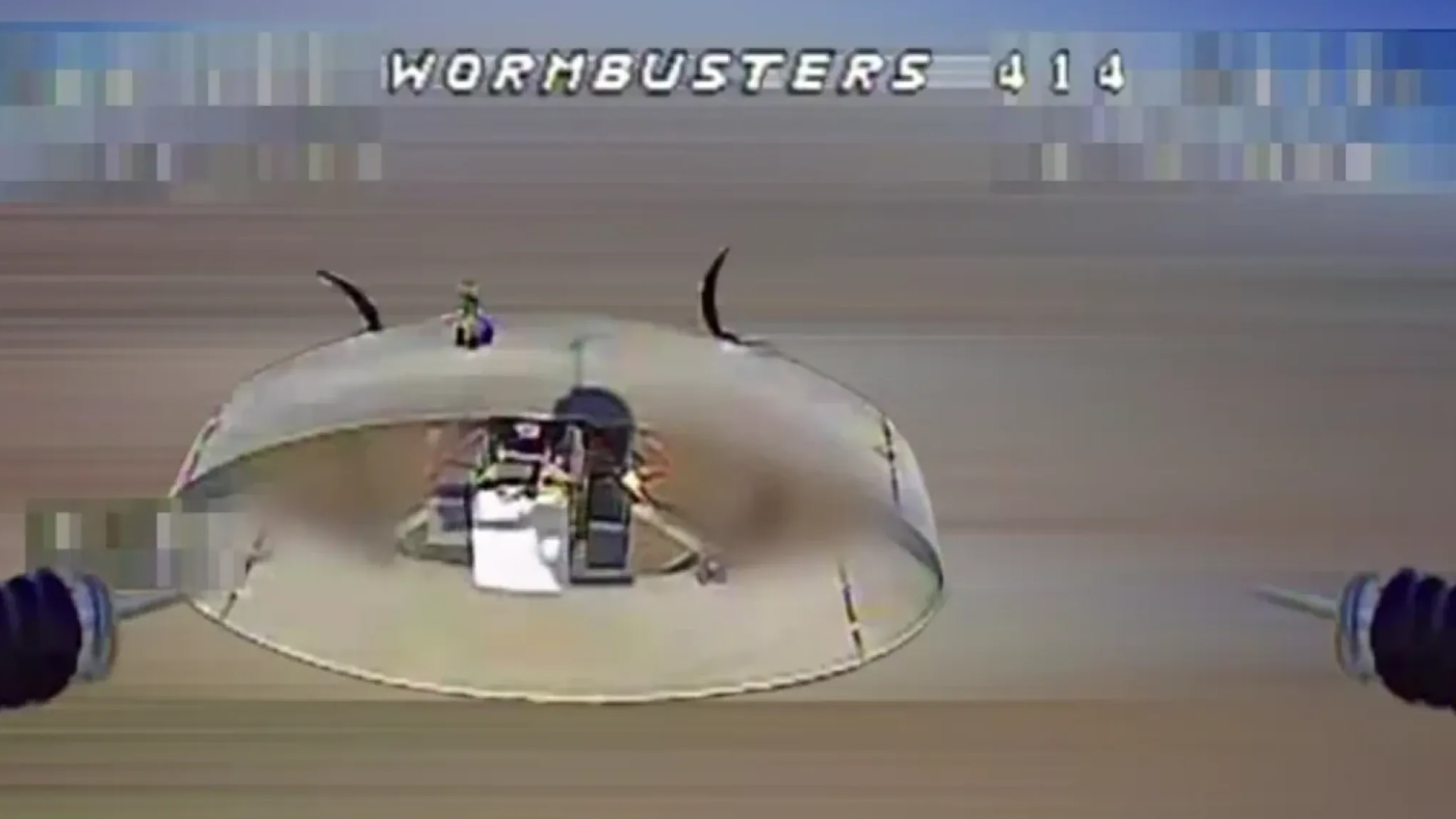
<![CDATA[ <article> <ul><li><strong>Ukrainian operators shoot down Russian drone with an unusual circular wing</strong></li><li><strong>The KVS uses a ring-shaped wing surrounding its central fuselage</strong></li><li><strong>The intercepted KVS uses a 10-inch frame for combat missions</strong></li></ul><p>Ukrainian forces have destroyed an unusually shaped Russian attack drone whose circular wing initially prompted comparisons with a UFO.</p><p>The aircraft was intercepted on October 8 2026 by personnel from Ukraine's 414th Birds of Magyar Brigade during an aerial engagement.</p><p>Footage released by the unit shows the Russian KVS <a href="https://www.techradar.com/cameras/drones/best-drone">drone</a> shortly before its destruction, revealing a distinctive circular structure surrounding its body.</p><h2 id="unusual-circular-design-draws-ufo-comparisons">Unusual circular design draws UFO comparisons</h2><p>The intercepted aircraft was identified as the Knyaz Vladimir Svyatoslavich, a relatively recent Russian strike platform developed by the Ushkuynik research center.</p><p>Its unusual appearance comes from a continuous circular wing enclosing the main fuselage, rather than the conventional straight wings used by many aircraft.</p><p>The distinctive configuration prompted Ukrainian operators to joke about encountering something extraterrestrial before confirming that the object was another Russian weapon.</p><p>“What was that? Probably a UFO! It came out of nowhere... Oh, wait, it did fall,” the Birds of Magyar Brigade wrote.</p><p>The KVS uses a 10-inch frame and is intended to conduct strikes over intermediate distances, although its precise operational range remains unspecified.</p><p>Its circular aerodynamic structure is designed to support vertical departures while allowing the aircraft to transition into horizontal flight with improved energy efficiency.</p><p>Unlike conventional multirotor aircraft, which rely on continuously powered propellers for lift, the configuration seeks aerodynamic assistance during forward movement through the air.</p><h2 id="russian-manufacturer-has-developed-other-unusual-drones">Russian manufacturer has developed other unusual drones</h2><p>The destroyed KVS belongs to a collection of unmanned aircraft developed by Ushkuynik, which also manufactures reconnaissance and fiber optic systems.</p><p>Among its other products is the Knyaz Veshchiy Oleg, an intelligence-gathering aircraft used to observe distant positions and adjust artillery fire.</p><p>Ukrainian intelligence disclosed in April that the reconnaissance platform reportedly operates across distances reaching 45 kilometers, with flights lasting about 3.5 hours.</p><p>The aircraft can reportedly reach 130 km/h, giving Russian operators another option for conducting surveillance missions beyond immediate frontline positions.</p><p>Ukrainian military reports claim to have intercepted Ushkuynik reconnaissance drones, although the available information does not establish an overall success rate for these operations.</p><p>On February 18, operators serving with the Dnipro-1 Regiment of the Liut United Assault Brigade reportedly intercepted a Knyaz Veshchiy Oleg.</p><p>Another aircraft belonging to the same reconnaissance model was destroyed in January 2026 by personnel from Ukraine's 225th Separate Assault Regiment.</p><p>These incidents concern the Knyaz Veshchiy Oleg reconnaissance model rather than the circular-wing KVS strike drone, and do not establish how frequently either aircraft is intercepted. </p><p>Via <a href="https://united24media.com/war-in-ukraine/ufo-or-russian-weapon-ukraine-downs-mysterious-ring-wing-strike-drone-video-23258" target="_blank" rel="nofollow">United24media</a></p><figure class="van-image-figure inline-layout" data-bordeaux-image-check ><div class='image-full-width-wrapper'><div class='image-widthsetter' style="max-width:676px;"><p class="vanilla-image-block" style="padding-top:31.51%;"><img id="diM9tpwF2Lz85R8q85CT78" name="tr-g_news" alt="Google logo on a black background next to text reading 'Click to follow TechRadar'" src="https://cdn.mos.cms.futurecdn.net/diM9tpwF2Lz85R8q85CT78-1920-80.jpg" mos="" align="middle" fullscreen="" width="676" height="213" attribution="" endorsement="" class="inline"></p></div></div></figure> </article> ]]>
Read the full article on TechRadar
Read Full Article →