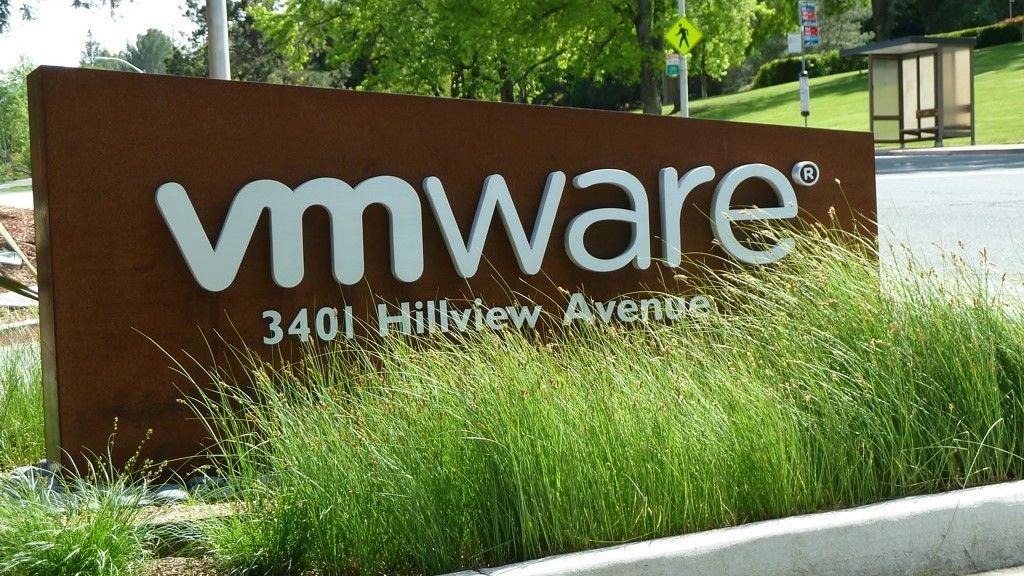
Nine in 10 VMware customer looking to switch vendors due to increased licensing costs
License costs are a worry for 90% of VMware customers Multi-vendor and security complexities are limiting migration for many Some customers are staying with VMware but sourcing their own support A new study has claimed a staggering 90% of decision-makers are considering VMware alternatives purely ba
<![CDATA[ <article> <ul><li><strong>License costs are a worry for 90% of VMware customers</strong></li><li><strong>Multi-vendor and security complexities are limiting migration for many</strong></li><li><strong>Some customers are staying with VMware but sourcing their own support</strong></li></ul><p>A new study has claimed a staggering 90% of decision-makers are considering VMware alternatives purely based on licensing costs.</p><p>But following other changes made to the virtualization stack under its not-so-new Broadcom ownership, two in three (66%) of those surveyed by Rimini Street are also considering third-party support.</p><p>That said, there's a big step between considering leaving VMware and actually migrating away, and many face the reality of not being able to without incurring high costs or encountering technical difficulties.</p><h2 id="vmware-customers-aren-39-t-happy-but-they-39-re-not-switching-away">VMware customers aren't happy, but they're not switching away</h2><p>Broadcom's licensing changes are the biggest offender, the study shows, with 90% of those considering an alternative impacted by higher licensing costs and 54% unhappy with the end of support for perpetual licenses.</p><p>Despite very clear dissatisfaction, half (48%) of existing perpetual licence customers don't actually have any plans to move away from VMware Cloud Foundation.</p><p>Still, the wheels are in motion with three in five surveyed businesses considering multi-hypervisor strategies, potentially as the first stage in a multi-step process to move away from VMware. The journey ahead isn't so simple, though, with operational complexity (40%), managing multiple vendors (38%), handling security with an expanded attack surface (37%) and ups killing workers (37%) all cited as challenges.</p><p>"The shift for current VMware users is not simply about replacing one vendor with another. It reflects a broader effort by enterprises to reduce dependency on a single provider," Unisphere lead analyst Joe McKendrick explained.</p><p>What we're seeing more of, though, is the adoption of third-party support for existing VMware packages instead of total migrations away from the company. One in five (18%) are already using third-party support.</p><p>"For many organizations, that means balancing support for existing environments with new investments designed to improve resilience, security and scalability over time," McKendrick added.</p><figure class="van-image-figure pull-right inline-layout" data-bordeaux-image-check ><div class='image-full-width-wrapper'><div class='image-widthsetter' style="max-width:676px;"><p class="vanilla-image-block" style="padding-top:31.51%;"><img id="diM9tpwF2Lz85R8q85CT78" name="tr-g_news" alt="Google logo on a black background next to text reading 'Click to follow TechRadar'" src="https://cdn.mos.cms.futurecdn.net/diM9tpwF2Lz85R8q85CT78-1920-80.jpg" mos="" align="right" fullscreen="" width="676" height="213" attribution="" endorsement="" class="pull-rightinline"></p></div></div></figure> </article> ]]>
Read the full article on TechRadar
Read Full Article →